

The UK's Egg Freezing HUB
Take the guesswork out of egg freezing


%201.png)


We’ve done all the homework, so you don't have to

Pre-vetted clinics
Our team gets on the ground to handpick every clinic so we only recommend those we trust.

Costs hacks
From fertility testing to payment plans, get the details on how best to save along the way.

External support
Support that starts before, during and after the clinic. We're with you across cycles, clinics & countries.

Find your egg freezing clinic with free mini consultations
Clinics usually charge £250+ for a consultation, but our pre-vetted partners offer free 1-1 mini consults exclusively through Amilis. Review your AMH, explore clinic differences, understand protocols and pricing, and get guidance on the next step - all before committing to a paid appointment.

Feeling a bit lost? You don’t have to figure this out alone.
Egg freezing can feel confusing - different clinics, different prices, different recommendations. Our free Amilis advice sessions are non-medical chats to help you get clarity, talk through your situation, and understand what usually makes sense before booking anything paid.
Real egg freezing stories, by women like you.
“I'm a huge fan of Amilis and how they're creating clarity and conversation around egg freezing and fertility. I was trying to ask all my friends, no one really knew who to go to, and there was no centralised way to get trustworthy and accurate assessments of all the options. Amilis have made it so easy and the process feels so empowering rather than exhausting.”
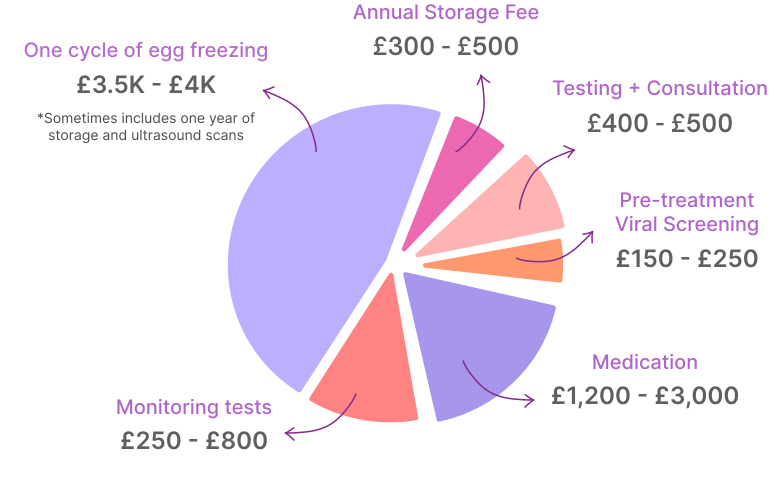
Egg freezing costs, in a nutshell.
.svg)

We’re super picky about the clinics & doctors we partner with.
All our partner clinics meet the highest standards of egg-freezing success & thawing rates, patient reviews, and quality of care - with 100s of egg freezing cycles a year to prove it.


Everything you need to know about egg freezing.

Amilis was born from a personal journey.
Co-Founder of Amilis

Frequently asked questions

In the UK and London, one cycle of egg freezing typically costs between £3,500 to £6,500 including costs on medication, consultations and annual storage fees for the frozen eggs. Through Amilis, you can save £250 on your consultation, and save on ultrasound scans and fertility testing along with comparing transparent prices across clinics.
While there's no strict upper age limit for egg freezing in the UK, most clinics recommend freezing eggs before age 35 for the best chances of success. Egg quality and quantity naturally decline with age, particularly after 35, which can affect future pregnancy chances. Some clinics may set their own age limits, typically around 40-42, based on success rates and medical considerations.
In the UK, you can now store your frozen eggs for up to 55 years from the date of freezing. This extended storage period applies to all eggs frozen for social or medical reasons. You'll need to renew your consent for storage every 10 years, and your clinic will contact you about this.
While the egg collection procedure is done under sedation, the 10-12 days leading up to it include fertility injections every day, which may be slightly painful and add to discomfort. However, with the right technique, support and care, the daily hormone injections are manageable, with many reporting feeling similar to a slight pinch. You might experience some cramping and bloating for a few days after retrieval, but we recommend resting anywhere from 2 days until a week after.
Your frozen eggs are stored in specialised cryopreservation liquid maintained at -196°C in liquid nitrogen. These storage facilities are highly regulated by the HFEA (Human Fertilisation and Embryology Authority) and monitored with sophisticated alarm systems. Your eggs will remain safely stored at your chosen clinic unless you decide to use them or transfer them elsewhere.
The number of cycles needed varies depending on your age, fertility health, and how many eggs you'd like to store for future use. Most fertility specialists recommend collecting 15-20 mature eggs for the best chance of future pregnancy, which might require 2-3 cycles for women over 35 and 1-2 cycles for women under 35. Your AMH test results, AFC ultrasound and age will help determine your likely egg yield per cycle.